One short message can leave you confused, especially when someone suddenly sends wsp meaning in text instead of a complete sentence. Social media and messaging apps are filled with quick abbreviations that save time, but they can also make simple conversations feel confusing if you do not know what they mean. Understanding wsp meaning in text helps you reply naturally and avoid awkward misunderstandings in everyday chats.
From Snapchat streaks to Instagram DMs and WhatsApp conversations, this popular slang appears almost everywhere. Once you learn wsp meaning in text, you’ll recognize when people use it, what they really mean, and how to respond in different situations. The examples ahead make each use clear with simple, real-life conversations.
What Does WSP Mean?
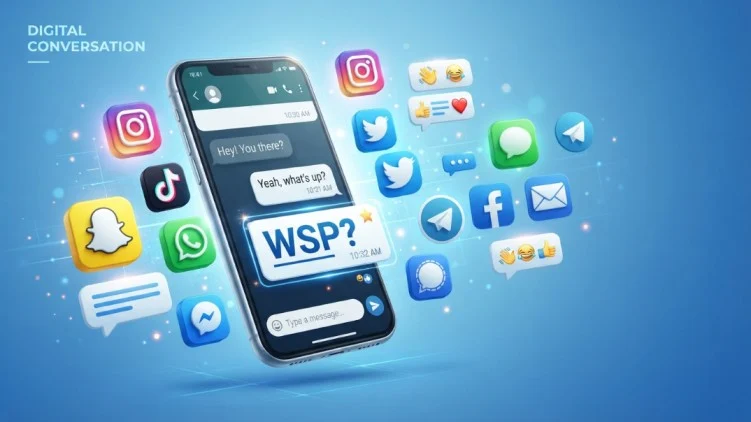
The most common WSP meaning in text is “What’s up?”
It’s an informal greeting people use to ask how you’re doing, what you’re doing, or whether anything interesting is happening. Rather than typing the full phrase, many people shorten it to WSP in text messages and social media chats.
| Detail | Explanation |
|---|---|
| Most Common Meaning | What’s up? |
| Full Form | What’s up? |
| Tone | Casual and friendly |
| Common Platforms | Text messages, Snapchat, Instagram, TikTok, Discord |
| Formal or Informal | Informal |
What Does WSP Stand For?
In texting, WSP almost always stands for “What’s up?”
People use it the same way they might say:
- What’s going on?
- How are you?
- What’s new?
- What are you doing?
- Anything happening?
Although these phrases are slightly different, they all serve as casual conversation starters.
Example
Friend: “WSP?”
You: “Not much. Just watching a movie.”
Meaning: Your friend is simply asking what you’re doing or how things are going.
How People Normally Use WSP
Most people use WSP as a friendly opener rather than a serious question.
You might receive it when:
- A friend wants to start chatting.
- Someone is checking if you’re free.
- A classmate wants to ask a question.
- Someone wants to make plans.
- A person hasn’t talked to you in a while.
Instead of writing a long greeting, they simply type “WSP?”
Alternative Meanings of WSP
Although “What’s up?” is by far the most common meaning, WSP can occasionally have other meanings depending on the industry or community. However, these are uncommon in everyday texting.
| Meaning | Context | Tone | Example |
|---|---|---|---|
| What’s up? | Texting and social media | Friendly | “WSP tonight?” |
| Wireless Session Protocol | Technical networking | Technical | “The device supports WSP.” |
| Women’s Social and Political Union | Historical discussions | Informational | “The WSP movement influenced voting rights.” |
If someone sends you “WSP?” in a text or Snapchat message, they almost certainly mean “What’s up?”
How Context Changes the Meaning
Context makes interpreting WSP much easier.
Casual Greeting
“WSP? Haven’t talked in forever.”
Meaning: The sender is saying hello and wants to catch up.
Making Plans
“WSP later tonight?”
Meaning: The sender wants to know whether you’re available.
Starting a Conversation
“Hey, WSP 😂”
Meaning: A playful greeting inviting you to chat.
The surrounding words, emojis, and timing usually make the intended meaning obvious.
Meaning on Different Platforms
Text Messages
In regular text conversations, WSP almost always means “What’s up?”
Example
“WSP? You free after work?”
The tone is friendly and conversational.
Snapchat and Instagram
On Snapchat and Instagram, WSP is commonly used to start conversations or respond to stories.
Example
“WSP? That vacation looks amazing.”
People often use it before asking another question.
TikTok
On TikTok, you’ll mostly see WSP in comments or direct messages.
Example:
“WSP everyone?”
Here it simply means “What’s up?” and invites conversation.
Discord and Gaming Chats
Gamers often type WSP when joining voice or text chats.
Example:
“WSP guys?”
It’s simply another way of greeting teammates before playing.
Real Conversation Examples
Friends
Person A: “WSP?”
Person B: “Nothing much. Just relaxing.”
Meaning: A casual greeting.
Classmates
Person A: “WSP? Did you finish the assignment?”
Person B: “Yeah, I turned it in this morning.”
Meaning: Starting a conversation before asking a question.
Family
Person A: “Hey! WSP?”
Person B: “Just making dinner.”
Meaning: Checking in with a family member.
Group Chat
Person A: “WSP everyone?”
Person B: “Who’s ready for the game tonight?”
Meaning: Greeting the whole group.
Social Media
Person A: “WSP 😊”
Person B: “Not much. How about you?”
Meaning: Friendly conversation starter.
Tone and Emotional Meaning
The meaning of WSP usually stays the same, but the tone can change depending on how it’s written.
Friendly
Most of the time, WSP sounds relaxed and welcoming.
Example:
“WSP bro?”
Funny
Adding laughing emojis or jokes makes the greeting playful.
Example:
“WSP 😂 Long time no see!”
Curious
Someone may genuinely want to know what you’re doing.
Example:
“WSP? Busy today?”
Is WSP Rude?
No. WSP is generally considered friendly and informal.
However, if someone expects a formal message, using WSP may seem too casual rather than rude.
Is WSP Flirty?
Sometimes.
If it’s sent with heart emojis, compliments, or after ongoing personal conversations, WSP can be a light, flirty way to start chatting.
Otherwise, it’s simply a casual greeting.
How to Reply to WSP
Your reply depends on what you’re doing and how well you know the sender. Since WSP usually means “What’s up?”, a simple, natural response works best.
Friendly Replies
- Not much. How about you?
- Just relaxing. What’s up with you?
- I’m good. What are you up to?
- Just finished work. You?
- Nothing exciting. How’s your day going?
Funny Replies
- Trying to survive Monday.
- Living the dream… barely.
- Just arguing with my alarm clock.
- Pretending to be productive.
- Same old chaos. What’s new with you?
Replies When You’re Confused
- Do you mean “What’s up?”
- What do you mean by WSP?
- Can you clarify what you mean?
When to Use WSP
WSP fits naturally in casual conversations where the other person is familiar with texting slang.
Good situations include:
- Texting friends
- Snapchat conversations
- Instagram direct messages
- WhatsApp chats
- Discord and gaming chats
- Group conversations
- Casual conversations with classmates
Because it’s short and friendly, WSP is often used to break the ice before asking another question or making plans.
When to Avoid WSP
Although WSP is common online, there are situations where writing the full phrase is a better choice.
Avoid using it in:
- Professional emails
- Job applications
- Business communication
- Academic assignments
- Messages to teachers or clients
- Formal announcements
- Sensitive conversations where clarity matters
Using “What’s up?” instead of “WSP” can sound more professional when needed.
Common Mistakes
| Common Mistake | Correct Understanding |
|---|---|
| Thinking WSP has only one meaning everywhere | In texting, it usually means “What’s up?” but technical contexts may differ. |
| Assuming it’s rude | It’s generally a friendly greeting. |
| Using WSP in professional emails | It’s best reserved for informal conversations. |
| Believing it always means flirting | Most of the time, it’s simply a casual hello. |
| Ignoring the conversation context | Emojis, wording, and previous messages help reveal the intended tone. |
Similar Slang Terms
| Term | Meaning | Main Difference |
|---|---|---|
| WSG | What’s good? | Often asks what’s happening or how someone is doing. |
| WYD | What are you doing? | Specifically asks about current activity. |
| HBU | How about you? | Usually follows an answer instead of starting a conversation. |
| SUP | What’s up? | Another shortened version with the same meaning. |
| YO | Yo or Hello | A greeting without asking a question. |
Origin and Popularity
The exact origin of WSP as a texting abbreviation isn’t clearly documented. Like many internet abbreviations, it became common as people looked for quicker ways to type casual greetings in text messages, online chats, and social media conversations.
Today, it’s widely recognized across messaging apps and social platforms as a shorthand for “What’s up?” The meaning has remained consistent because it’s simple, easy to understand, and works naturally in everyday conversations.
Quick Recap
- WSP most commonly means “What’s up?”
- It’s an informal greeting used to start conversations.
- Context, emojis, and surrounding messages help determine the tone.
- It’s appropriate for texting, social media, and gaming chats.
- The easiest reply is a friendly response such as “Not much. You?”
Frequently Asked Questions
What does WSP mean in text?
WSP most commonly means “What’s up?” and is used as a casual greeting or conversation starter.
What does WSP stand for?
In texting, WSP usually stands for “What’s up?” rather than a technical or historical term.
What does WSP mean on Snapchat?
On Snapchat, WSP almost always means “What’s up?” and is used to begin a casual chat.
How should you reply to WSP?
Reply naturally with what you’re doing or ask the other person how they’re doing.
Can WSP have different meanings?
Yes, although “What’s up?” is the most common meaning, technical and historical contexts may use different definitions.
Final Thoughts
The WSP meaning in text is usually simple: “What’s up?” It’s a friendly, informal greeting that helps start conversations across text messages, Snapchat, Instagram, TikTok, Discord, and other messaging platforms.
While WSP can have a few alternative meanings in specialized fields, those are rarely intended in everyday chats. Paying attention to the conversation, emojis, and the relationship between you and the sender makes its meaning easy to understand. Once you know the context, replying to WSP is as natural as responding to any casual “How are you?” message.
Discover More Post:
MBN Meaning in Text Messages| Definition, Examples, and …
MK Meaning in Text | What It Means and How People Use It